
The Observation
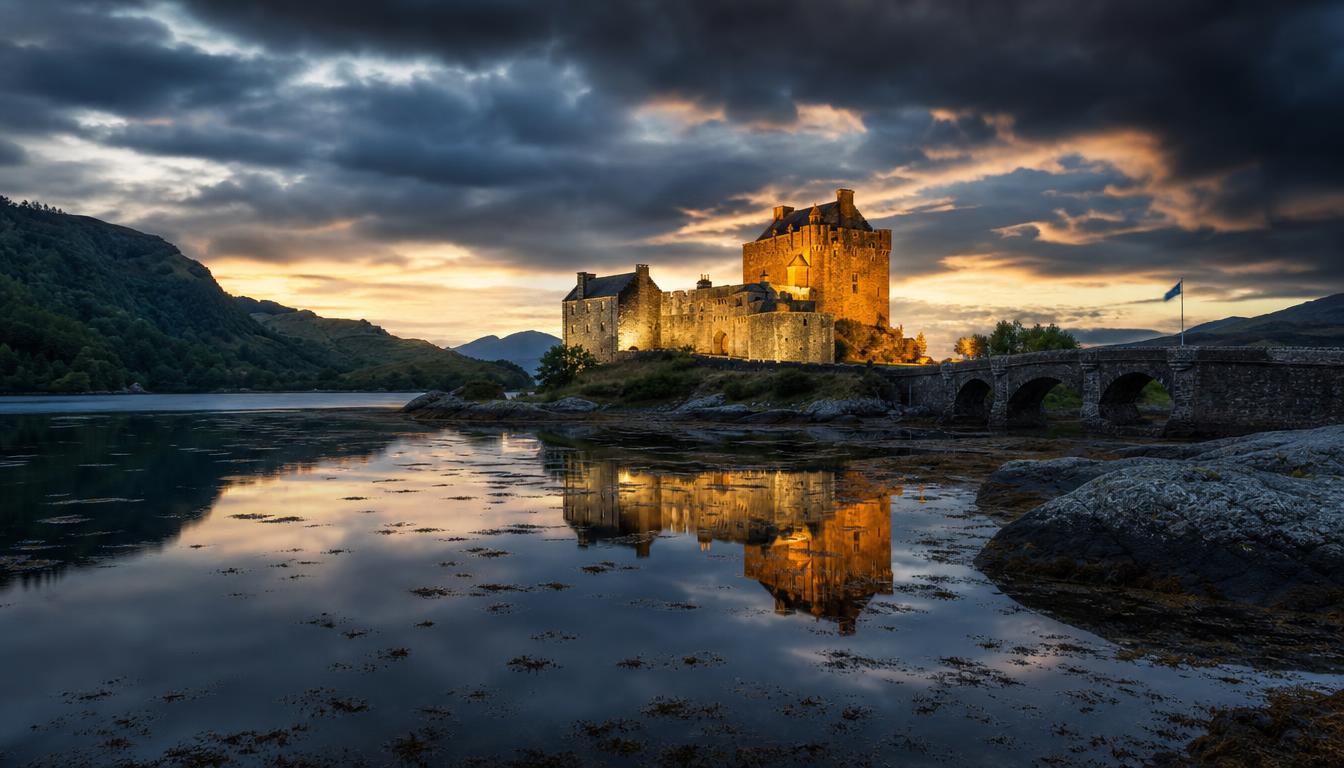
In August 1928, three oil executives told the press they were headed to a Scottish castle for grouse season. What actually happened was a secret carve-up of the entire world's oil market. Freeze everyone's market share. Fix prices off a formula that had nothing to do with where the oil actually came from. Stop competing, permanently.
It stayed hidden for 24 years. Not until a 1952 Senate investigation did anyone outside that castle even know the arrangement existed.
The Analysis
This did not happen because oil executives are uniquely dishonest. It happened because they had already won, and winning stopped being enough. Price wars were eating margin on all sides, so the men running the three biggest players did the thing dominant competitors have always been tempted to do once the market gets crowded: agree not to compete anymore.
The genius, if you can call it that, was the total absence of a paper trail, not the price fixing itself. Cartels are not new. No dinners anyone could subpoena, no public statements, nothing that regulators could point to. Just an agreement, three signatures and silence.
That silence had a cost that showed up somewhere else entirely. Suppressing cheap Middle Eastern oil to protect the value of the higher-cost production they had already sunk capital into meant Gulf development did not seriously happen until after World War II. The resentment that built up over decades of foreign companies gatekeeping a country's own resources did not go away when the cartel eventually fell apart. It fed straight into the nationalisation fights and oil shocks that shaped the rest of the century.
The Checklist
Three men solved their own problem completely. They just moved the cost of solving it onto people who were not in the room, would not find out for 24 years, and had no way to push back once they did.
This is the part every dominant company eventually faces. Once you have won, the temptation is to quietly agree with your biggest rivals that nobody needs to grind anymore, rather than keep grinding. That deal works beautifully for everyone sitting at the table. It almost never works out for the people who were not invited.
Question for the network
If your industry's biggest players suddenly stopped competing on price tomorrow, would you actually notice? Or would it just look like the market finally calmed down? Hint: the quiet years are usually the ones worth asking harder questions about.
References
- EBSCO Research Starters: Achnacarry Agreement
- Encyclopedia.com: International Petroleum Cartel
- The Scotsman: The Highland Castle Deal That Carved Up the World's Oil
By Michael Lennard Gnaedinger. © 2026 Gnaedinger Consultancy. All rights reserved.
If any of this sounds familiar.
I work with a small number of founders and CEOs each year. The conversation starts here.