
In the last piece, Senator Harry Truman stood on the floor of Congress in early 1942 and called Standard Oil of New Jersey's conduct treason. The company had spent the 1930s locked into a patent deal with a German chemical company, and when America went to war, that deal briefly helped strangle the country's own synthetic rubber supply.
What happened next is the part that never gets told alongside the scandal.
A forced reset, used well
The March 1942 consent decree stripped Standard of its exclusive grip on the patents. Released, royalty free, to anyone who needed them. Given what came right after, that turned out to matter enormously.
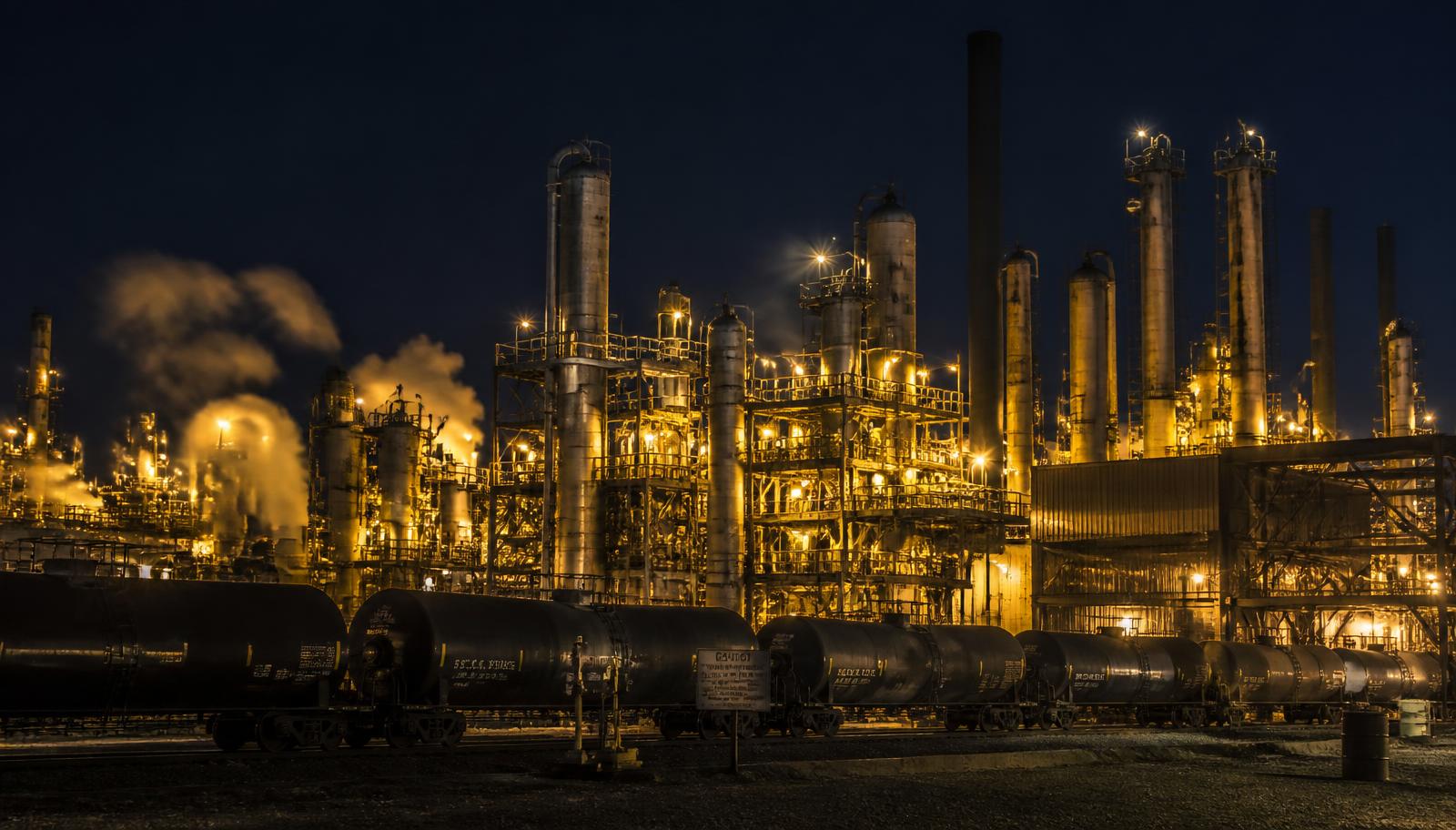
Standard's subsidiaries, Standard Oil of Louisiana and Humble Oil, built and ran plants at Baton Rouge and Baytown that became central to America's entire wartime synthetic rubber programme. Between 1943 and 1945 those two plants alone produced 29.1 percent of total US butadiene output, the core ingredient in synthetic rubber. Historians studying the war have made a point of noting that despite the shortage everyone feared in 1942, Allied campaigns never actually ran short of rubber once production ramped up.
The fuel mattered as much as the rubber
Alongside rubber, Standard's refineries poured out enormous volumes of high-octane aviation gasoline, the fuel that let American, and eventually British, aircraft outperform their German counterparts in the air. The broader American oil industry supplied roughly 85 percent of the Allies' total oil consumption during the war, six billion barrels out of seven billion used. Standard Oil of New Jersey, still the largest company in the country by revenue, was one of the handful of firms whose refining capacity made that possible.
What actually changed between the scandal and the redemption
Nobody at Standard suddenly became more virtuous in March 1942. What changed was structural. The consent decree forced the patents into the open, removing the legal obstruction that had slowed synthetic rubber development for a decade. Once that obstruction was gone, Standard's existing refining and engineering capacity, the same capacity that had been tied up defending an outdated 1929 patent deal, got redirected toward the actual emergency in front of it.
This is worth noticing carefully. The capability to help win the war had existed inside the company the whole time. What had been missing was the removal of a legal and contractual obstacle standing between that capacity and the problem that needed solving, not the capacity itself.
The decade's real lesson
Companies rarely get to choose whether they're remembered for their worst decision or their best one. Standard Oil of New Jersey managed both inside the same five-year stretch, a treason accusation in 1942 and a genuine contribution to winning a world war by 1945.
The turnaround didn't come from better intentions. It came from someone forcibly clearing away an obligation that had outlived its purpose, which is exactly what the previous decade's story should have done on its own, years earlier, without a Senate committee having to force the issue.
References
- History News Network
- 64 Parishes
- ExxonMobil Baton Rouge history (Arnold & Itkin)
- Oil & Energy Magazine
By Michael Lennard Gnaedinger. © 2026 Gnaedinger Consultancy. All rights reserved.
If any of this sounds familiar.
I work with a small number of founders and CEOs each year. The conversation starts here.