
The Observation
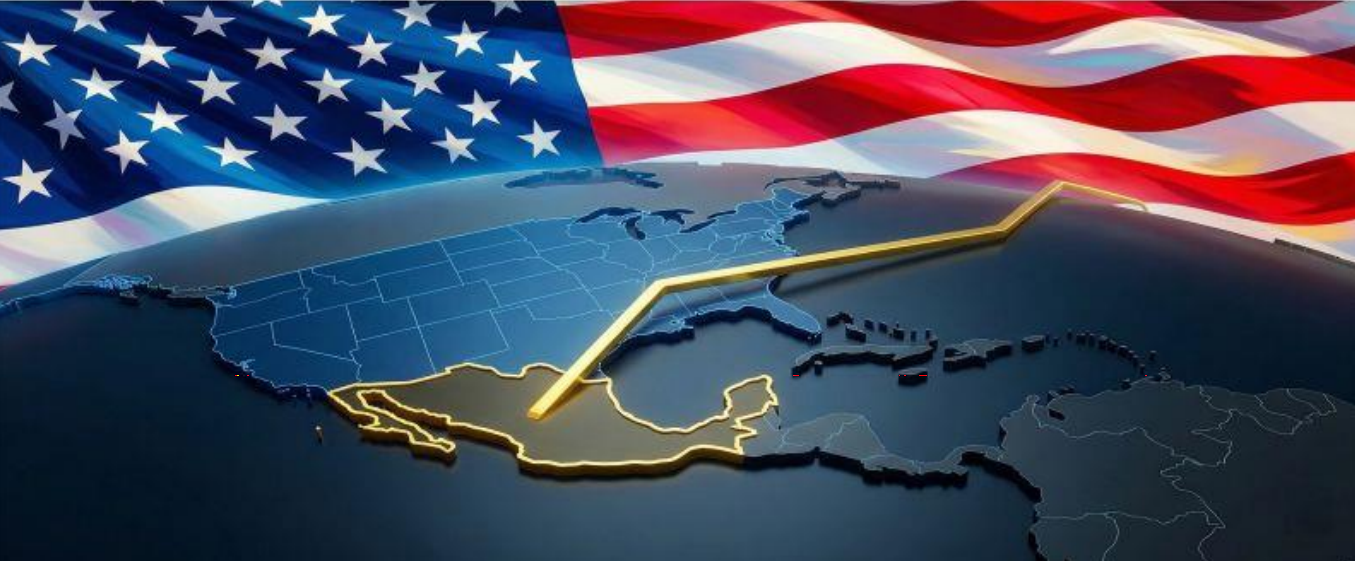
Global trade in 2026 is defined by lasting volatility, with geopolitics and protectionist policies prevailing over traditional efficiency. With sweeping tariffs implemented and critical trade agreements like the USMCA entering a pivotal review period, organizations are facing a highly constrained trade environment. The era of frictionless global movement has been permanently replaced by a landscape of trade barriers, strategic decoupling, and increased regulatory pressure.
The Analysis
To adapt to this protectionist reality, businesses are rapidly adopting a US Plus One strategy, ushering in a new era of trade diversification. Rather than relying entirely on distant overseas manufacturing hubs, companies are aggressively nearshoring to maintain secure access to the US market. Mexico has emerged as the strongest leader in this shift, experiencing massive surges in Foreign Direct Investment as companies relocate their operations. This structural rearrangement is driven by the need to bypass tariff-driven demand spikes and secure localized capacity, proving that geographic proximity is now a critical hedge against geopolitical friction.
The Tactical Step
Supply chain leaders must treat 2026 as the year to embrace radical supply chain flexibility. Evaluate your current exposure to new sectoral tariffs and looming trade deal expirations. Accelerate your nearshoring evaluations, particularly focusing on how regional hubs can serve as protective buffers for your core operations. By diversifying your sourcing footprint and moving production closer to your end consumers, you can insulate your organization from sudden regulatory shocks and maintain steady access to key markets.
Question for the network
As protectionist policies force a restructuring of global trade, has your organization begun implementing a US Plus One or nearshoring strategy to protect your market access?
References
- ING: Global Trade in 2026
- UPS: 2026 Supply Chain Outlook
By Michael Lennard Gnaedinger. © 2026 Gnaedinger Consultancy. All rights reserved.
If any of this sounds familiar.
I work with a small number of founders and CEOs each year. The conversation starts here.