
The Observation
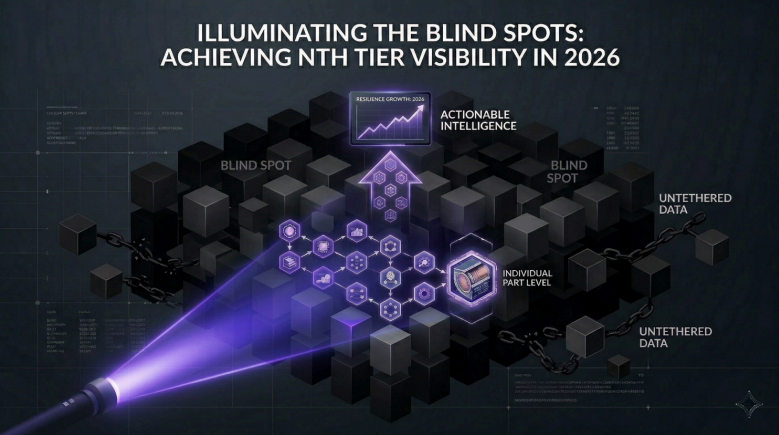
Supply chains break at the links you cannot see. Currently, only 60 percent of companies have full visibility into their tier-one suppliers, and visibility beyond tier-one is actively declining. If you cannot see into the nth tier, you do not know who truly makes your parts, what materials are used, or what might cause your next major disruption.
The Analysis
This lack of multi-tier visibility is a massive blind spot that exposes businesses to severe compliance risks, costly delays, and sudden operational disruptions. Identifying, capturing, and maintaining accurate data across multiple systems remains a profound struggle for most organizations. However, achieving true end-to-end supply chain visibility down to the individual part and raw material level is now a critical priority for building resilience and sustaining growth in 2026.
The Tactical Step
Leaders must immediately invest in supply chain mapping solutions that go beyond direct tier-one vendors. Implement digital platforms and AI-driven intelligence tools capable of illuminating sub-tier relationships and aggregating data across the entire supplier network. By moving from simple visibility to actionable intelligence, you can proactively identify single-source chokepoints, qualify alternative suppliers, and mitigate disruptions before they impact your end consumer.
Question for the network
How deep into your supply chain network do you currently have visibility? Are you actively tracking risks down to the nth tier, or are you still relying solely on tier-one supplier data?
By Michael Lennard Gnaedinger. © 2026 Gnaedinger Consultancy. All rights reserved.
If any of this sounds familiar.
I work with a small number of founders and CEOs each year. The conversation starts here.