
The Observation
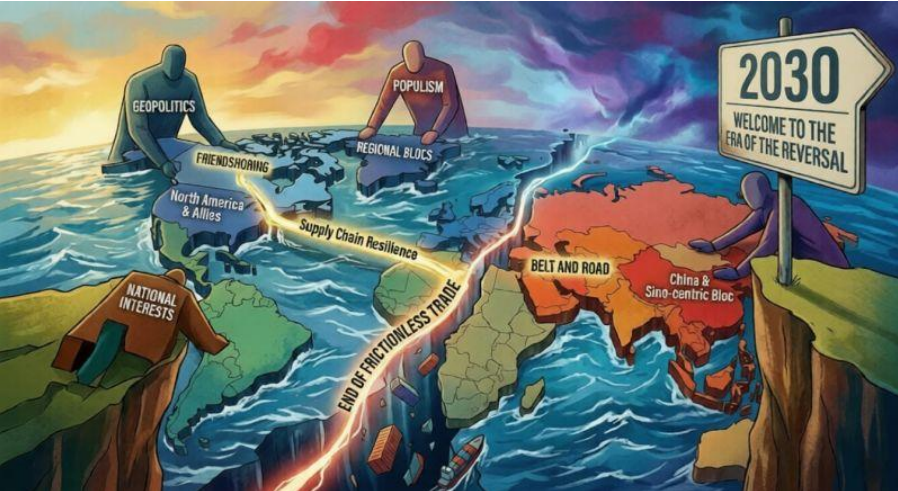
For decades, the ultimate supply chain strategy was simple, chase the cheapest global labor. Today, that era is officially over. According to 2026 supply chain outlook data, 58 percent of business leaders now forecast a shift to highly regionalized, localized supply chains by 2030, officially reversing decades of globalization.
The Analysis
This is not a theoretical future state. Right now, 77 percent of organizations are already actively implementing regional, self-sufficient networks. The drivers behind this massive geographic realignment have flipped. Historically, labor costs dictated location, but today, the focus has shifted entirely from cost optimization to risk mitigation. We are seeing a move toward friend-shoring and nearshoring, with production shifting closer to end markets to avoid the vulnerabilities of long, complex supply lines. For instance, we see manufacturing volumes shifting into Mexico for the Americas, Eastern Europe for EU markets, and massive diversification within Asia.
The Tactical Step
Supply chain leaders must accept that slightly higher operational costs are the new premium we pay for reduced risk exposure and true operational reliability. You must evaluate your network geographic footprint not by where labor is cheapest, but by where operations are most secure and energy is most reliable. Begin evaluating friend-shoring options and regional hubs that align politically and offer regulatory stability. The organizations that win this decade will be the ones that build redundancy and geographic proximity into their networks today.
Question for the network
Are you actively restructuring your supply chain to be more regional, or is your organization still holding onto the legacy globalized model?
References
- Prologis: 2026 Supply Chain Outlook Report
- Rhenus: Seven Global Supply Chain Trends Shaping 2026
By Michael Lennard Gnaedinger. © 2026 Gnaedinger Consultancy. All rights reserved.
If any of this sounds familiar.
I work with a small number of founders and CEOs each year. The conversation starts here.