
The Observation
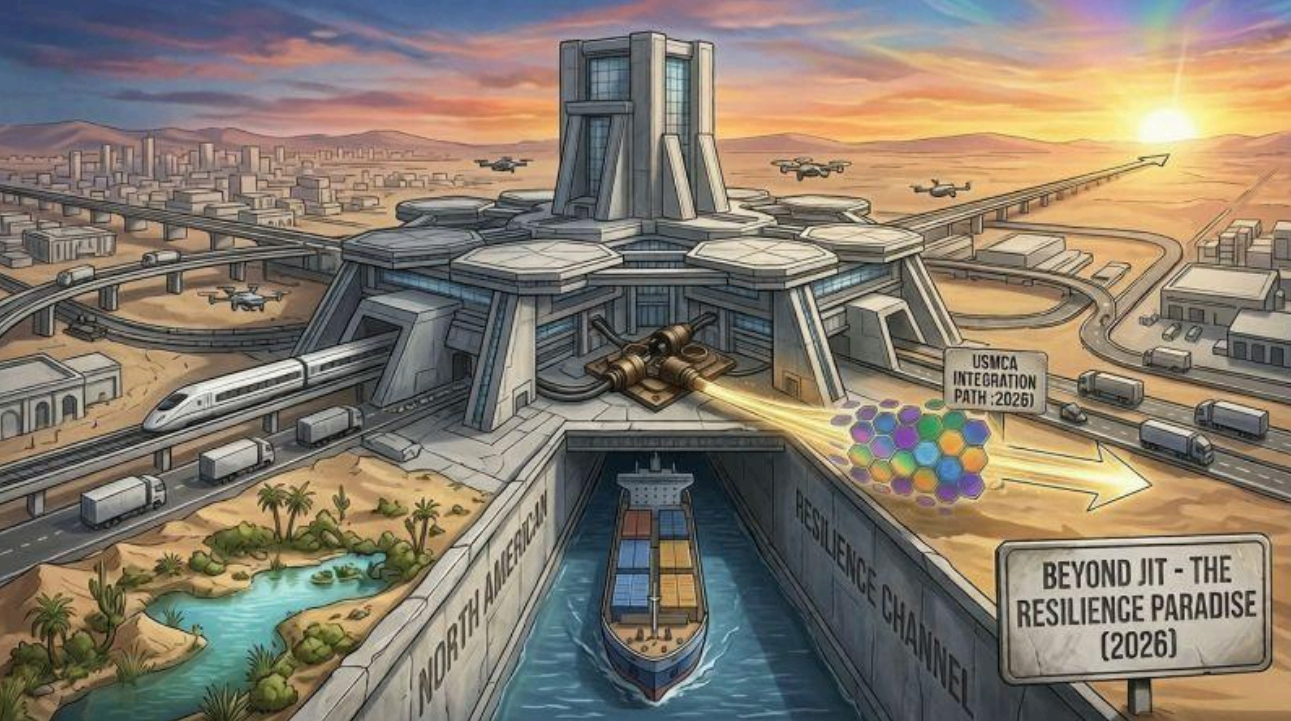
The United States-Mexico-Canada Agreement (USMCA) has officially entered a critical trilateral review period in 2026. Currently, 72 percent of goods are eligible for zero percent tariffs under the agreement, but official statements have already hinted at the possibility of the deal lapsing altogether or being replaced with separate bilateral agreements. This pending renegotiation, alongside ongoing tariff discussions regarding steel, aluminum, EV components, and semiconductors, has injected profound volatility into North American trade.
The Analysis
This regulatory uncertainty is actively reshaping how organizations design their supply networks. Because political alignment and trade agreement frameworks now heavily influence supply chain design, businesses are adopting a US Plus One strategy to ensure continuous market access. Mexico has emerged as the strongest nearshoring leader in this environment, experiencing a massive influx of Foreign Direct Investment as companies open new facilities to maintain proximity and secure access to the US market. Ultimately, the potential expiration or alteration of the USMCA is driving companies to prioritize geographic diversification over legacy cost-efficiency models.
The Tactical Step
Supply chain leaders must treat the USMCA review as an immediate operational risk rather than a distant political event. You must evaluate your current cross-border dependencies and assess how the potential loss of zero-percent tariff eligibility would impact your landed costs. Accelerate your nearshoring strategies by securing manufacturing and warehousing capacity in politically aligned hubs like Mexico. By embedding geographic flexibility into your North American footprint today, you ensure your supply chain remains resilient regardless of how the trade agreements are restructured.
Question for the network
With the USMCA under review and the threat of tariffs rising, how is your organization adjusting its North American footprint? Are you actively nearshoring to protect your market access?
References
- ING: Global Trade in 2026
- Rhenus: Seven Global Supply Chain Trends Shaping 2026
- UPS: 2026 Supply Chain Outlook Webinar
By Michael Lennard Gnaedinger. © 2026 Gnaedinger Consultancy. All rights reserved.
If any of this sounds familiar.
I work with a small number of founders and CEOs each year. The conversation starts here.