
The Observation
Companies routinely buy software based on polished sales demonstrations instead of operational reality. They commit to multi-year contracts and then watch their total cost of ownership quadruple once integration fees hit.
The Analysis
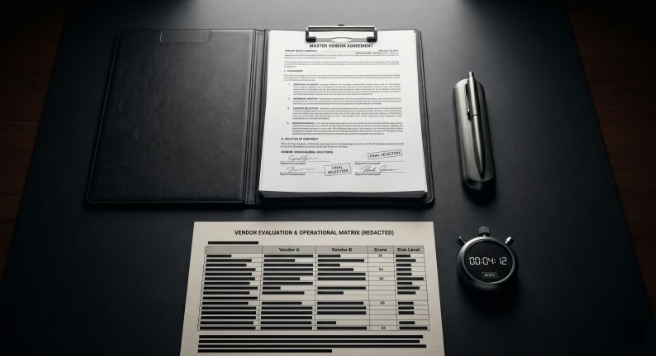
The vendor with the best product rarely wins the deal. The vendor that best matches a buyer's undocumented assumptions wins. Executive teams fail because they do not weight their decision criteria before looking at the market. They allow features to dictate the conversation while ignoring critical factors like security compliance, integration costs, and change management burdens. Procurement is won or lost in the first thirty minutes by forcing clarity on exact priorities.
The Cheat Sheet
Define the three-year budget ceiling immediately. Include the cost of implementation and required training, not just the first-year license.
Lock in your weighted criteria before scheduling a single demonstration.
Demand real artifacts. Stop asking questions they can answer with marketing copy. Force them to show you root-cause analyses from their last three service outages.
Question for the network
Does your procurement team use a weighted matrix to grade vendors, or are you still relying on gut feelings after a sales pitch?
References
- Prompt Library: Role: The Vendor Evaluation Matrix.
By Michael Lennard Gnaedinger. © 2026 Gnaedinger Consultancy. All rights reserved.
If any of this sounds familiar.
I work with a small number of founders and CEOs each year. The conversation starts here.